
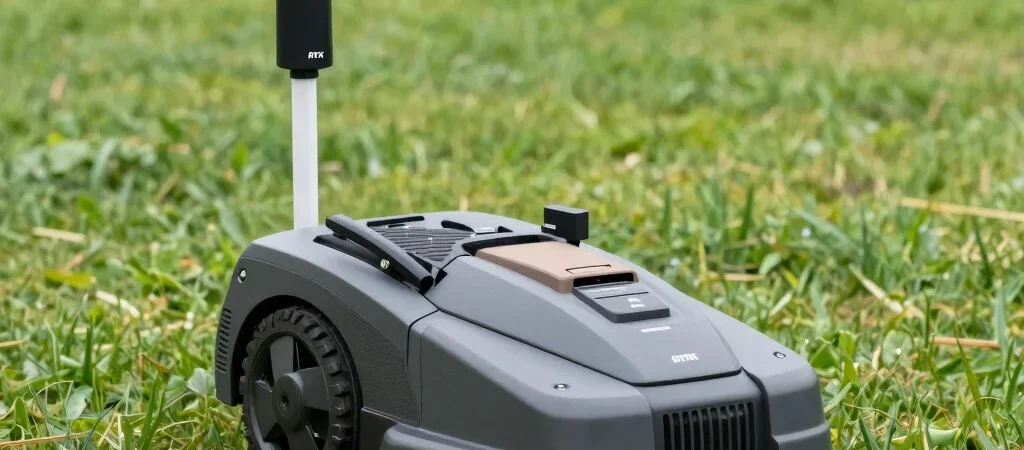
Selecting the right robotic lawn mower starts with deciding how the machine understands your property boundaries. Traditional models rely on physical perimeter wire buried beneath the soil or pegged along turf edges, while newer wireless systems utilize Real-Time Kinematic satellite positioning combined with optical sensors. Each approach presents distinct trade-offs in installation effort, signal stability, and long-term turf coverage flexibility.
The Case for Traditional Boundary Wire Systems
Boundary wire navigation remains the benchmark for signal consistency in yards with heavy tree canopy coverage or tall surrounding structures. Once installed, low-voltage wire signals are completely immune to satellite signal dropouts, cloud cover, or solar flare interference. The physical loop creates an absolute boundary that prevents the mower from drifting into flower beds or pool enclosures.
The primary drawback of wire-based setup is initial labor. Aerating your lawn or performing landscape edits can accidentally sever hidden wires, requiring time-consuming diagnostic tracing and splicing to restore operating current.
RTK GPS Wireless Precision and Limits
RTK GPS systems eliminate the need for physical boundary trenches entirely, allowing you to establish or modify mowing zones via a smartphone application. By comparing signals from orbital satellites against a dedicated local reference station, these mowers pinpoint their position within centimeters. This precision allows for structured, line-by-line cutting patterns rather than random navigation patterns.
However, satellite navigation requires an unobstructed view of the sky. Properties featuring dense oak canopies, multi-story brick facades, or narrow side yards between homes can experience localized signal shadow zones where navigation accuracy degrades.
Matching Navigation Tech to Your Property
For suburban lots under half an acre with mature trees and dense shade, boundary wire units often deliver more dependable day-to-day operation without unexpected signal pauses. Larger open properties or newly built estates with minimal tall vegetation benefit significantly from RTK systems, saving dozens of hours in manual wire layout. Note that Choremation participates in affiliate programs, and links on this page may earn us a referral commission when you choose a recommended model.